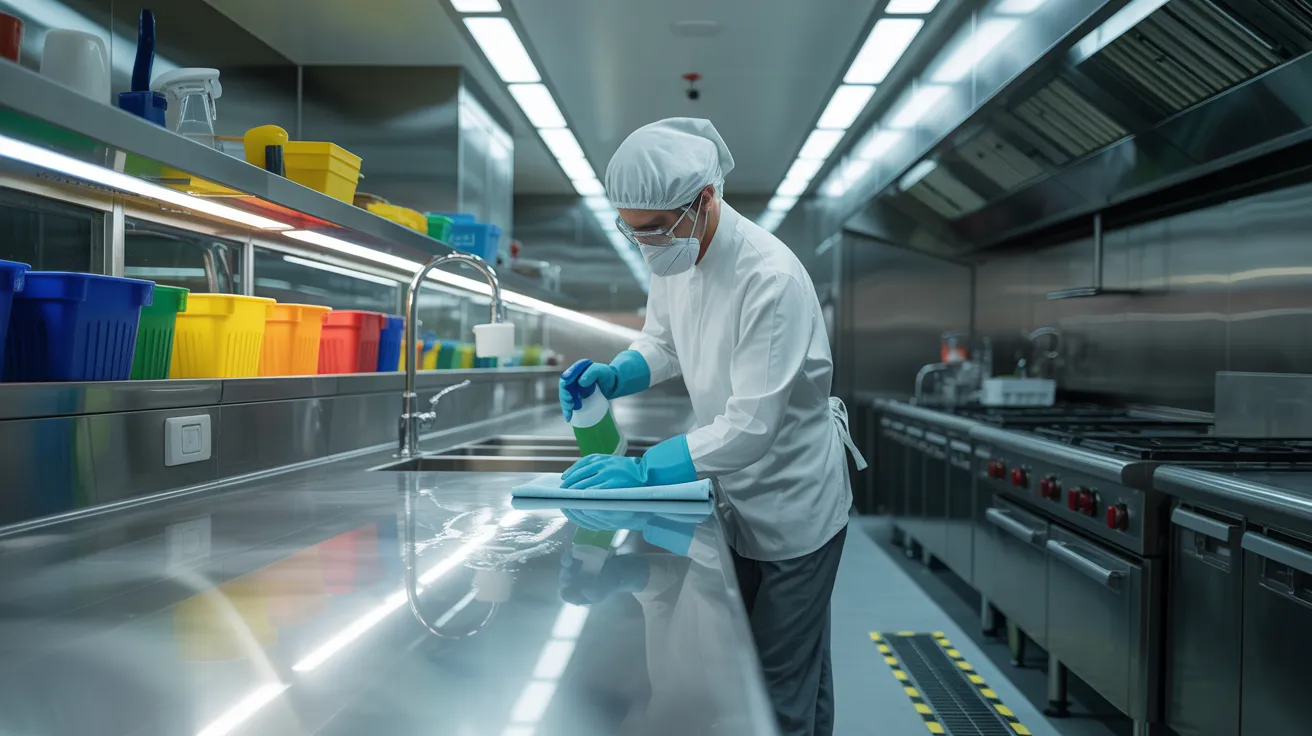
Brampton food safety and professional sanitation experts help you keep dining establishments, food distribution centers, baking facilities, warehouses, and food service vehicles sanitized to standards. They sanitize high-touch points, food preparation areas, equipment, floors, drains, restrooms, and food prep areas using certified sanitizers, correct dilution, and verified exposure periods. in maintaining restaurants, food supply centers, baking operations, warehouses, and mobile food operations in compliance. They sanitize high-touch points, food preparation zones, equipment, floors, drains, restrooms, and food handling zones using certified sanitizers, correct concentration, and documented exposure durations.
Important Highlights
- Food safety cleaning professionals in Brampton serve restaurants, grocery departments, commissaries, warehouses, bakeries, schools, mobile vendors, and allergen-sensitive operations.
- Cross-contamination elimination is ensured by treating high-touch surfaces, food-contact equipment, kitchens, floors, drains, restrooms, and storage areas with compartmentalized approaches.
- Checking of proper chemical concentration, suitability, and exposure duration is performed by trained specialists, with finalization filed using swabs, assessments, and remedial documentation.
- Cleaning plans must respect danger, output capacity, changeovers, accidents, and requirements, with daily, regular, and periodic operations distributed by section.
- Insurance, coded tools, HACCP, public-health understanding, WHMIS preparation, testimonials, and compliance-ready hygiene paperwork are important provider characteristics.
Brampton Operations That Need Food Safety Cleaning: Which Ones?
You must follow food safety cleaning if your business is subject to health inspections, food codes, or HACCP protocols. This covers eateries, dining areas, supply warehouses, retail departments, meat counters, fish departments, general stores, and facility-based kitchens.
Documented food sanitation is equally needed in storage warehouses, production plants, freezer facilities, bakeries, school nutrition services, reception halls, and meal delivery centers. Mobile and temporary establishments matter too, like catering trucks, festival vendors, and pop-up food booths. Your venue needs recorded sanitation procedures when your staff prepare supplies, portion completed foods, reheat products, or manage allergen records. In Brampton, food safety continues to be not optional; it constitutes statutory, functional, and public health standards.
What Do Brampton Cleaning Experts Clean?
You need cleaning experts who sanitize high-touch surfaces, kitchens, floor surfaces, and bathrooms to comply with food safety and health regulations. They target these areas because they pose the greatest danger for cross-contamination, slipping risks, and hygiene violations.
When you know their cleaning scope, you can ensure your operation's cleaning procedures satisfy operational and regulatory requirements.
High-Touch Surface Disinfection
develop a sterilization protocol
Preventing secondary contamination via replacing cleaning materials, using one-way systems, and separating supplies by location confirms your disinfection system remains documented, auditable, and compliance-ready.
Food Prep Areas, Flooring, and Sanitary Facilities
Brampton cleaning professionals will handle kitchens, floors, and restrooms since each space presents different hygiene concerns, injury, and community health challenges. In industrial kitchens, you need grease removal from cooking stations, appliance surfaces, drain systems, preparation areas, and backsplashes to reduce contamination and pest pressure.
Floor care that is recorded should equally be anticipated. Technicians scrub and extract buildup from tile grout, ceramic surfaces, and vinyl floors, then apply appropriate drying controls so you can reduce slip incidents and meet regulatory standards. They also address entryways where moisture and debris migrate indoors.
For restroom sanitation, cleaners sanitize touchpoints, fixtures, partitions, dispensers, and waste containers, then replace products and reduce odor. They also maintain restaurant cleaning supply rooms where product storage, sink cleanliness, and drain systems impact daily sanitation standards and worker protection.
The Importance of Food Safety Cleaning in Brampton
Brampton businesses need to establish food-safe cleaning standards for satisfying legal standards and passing inspections. You also reduce bacterial spread through proper cleaning of food-preparation surfaces, appliances, and frequently-touched items. Most importantly, you help protect community wellness by reducing the chance of food poisoning in your establishment.
Health Code Compliance
Because Brampton food operations operate under mandatory safety protocols, food safety cleaning directly impacts your capability to fulfill health code requirements, protect customers, and avoid enforcement action. You must maintain sanitary food-contact surfaces, written maintenance records, proper chemical use, and documented employee protocols that comply with municipal and provincial inspection expectations.
Inspectors assess your operation to confirm that your sanitation system maintains protected inventory management, machinery hygiene, garbage disposal, and restroom sanitation.
Cross-Contamination Prevention
Meeting regulatory requirements also depends on your capacity to stop cross-contamination during routine food preparation and sanitation. You must keep raw items away from prepared dishes, sanitize prep surfaces between tasks, and keep cleaning products separate from food areas. Established guidelines minimize contamination chances and support consistent compliance during inspections.
Implementing allergen segregation helps keep priority allergens from contacting shared surfaces, containers, or equipment. Deploy dedicated cutting boards, color-coded tools, and strict utensil labeling so staff don't mix items while preparing or distributing. Require handwashing after handling fresh proteins, aquatic items, egg products, or allergen materials. Refresh cleaning cloths often, and validate disinfectant levels using test strips. When you train staff to follow these controls every shift, you establish a more hygienic, safer workplace that satisfies Brampton's food safety needs daily.
Public Wellness Protection
When food safety cleaning deteriorate, you don't only risk a failed inspection—you expand the chance of food contamination striking customers, staff, and the larger Brampton community. You also undermine your responsibility in protecting public health, especially in busy food facilities where pathogens travel quickly through surfaces, equipment, and touchpoints.
You must implement cleaning procedures that eliminate contaminants, effectively sanitize, and verify results. This involves maintaining exposure times, deploying approved disinfectants, recording schedules, and training employees to meet compliance standards. These initiatives detailed information promote pathogen control by reducing microbes before contaminating food or hands. In Brampton, effective cleaning shields vulnerable populations, curtails outbreak likelihood, and proves your diligence. When you adhere to proper protocols, you go beyond regulations—you meaningfully lower danger and promote secure food service throughout the city.
How Does Cleaning Support Food Safety Compliance?
Strict sanitation practices support food safety compliance by reducing contamination risks, managing pathogen expansion, and positioning your facility in accordance with sanitation requirements under HACCP-based programs and public health regulations. You confirm that contact surfaces remain visibly clean and microbiologically controlled, backing documented preventive controls and inspection readiness.
Diligent cleaning additionally solidifies allergen management by extracting residues that can lead to undeclared allergen exposure. When you match verified sanitation methods with standards training, your staff can execute standardized methods, employ approved chemicals accurately, complete records accurately, and address deviations before issues intensify. Systematic cleaning facilitates traceability, validates remediation efforts, and shows due diligence in audits. Moreover, it supports you protect quality assurance, copyright operational adherence, and lower the possibility of enforcement actions, recalls, complaints, and unnecessary health hazards.
Finding When to Arrange Commercial Cleaning
Cleaning schedules are most effective when you create them according to risk levels, output volume, and compliance needs rather than relying on a fixed calendar alone.
Plan cleaning prior to and following promotional, catering, or public functions, or gatherings for smooth event transitions.
Finding Quality Brampton Cleaning Experts: A Guide
Begin by evaluating providers based on food-safe sanitation requirements—not solely on price alone. You should confirm that each organization comprehends CFIA, public health, and HACCP-based requirements applicable to your facility. Request insurance certificates, WHMIS compliance, staff training documentation, and oversight procedures. Assess whether technicians recognize cross-contamination risks, chemical handling protocols, and verifiable sanitation records.
You should further examine service consistency and answerability. Request references from food facilities in Brampton, then review response times, corrective action plans, and communication protocols. Validate the company supports supplier audits and can supply compliance documentation to authorities or third parties. Confirm equipment receives maintenance, color-coded implements are applied correctly, and site-specific hazards are recognized. A qualified provider protects compliance, product integrity, and your brand reputation.
What does a cleaning and sanitation plan consist of?
Create a written plan that defines every sanitation duty, guideline, and expectation before production starts. You should list cleaning frequencies, approved chemicals, dilution rates, contact times, tools, and verification methods for each zone, surface, and piece of equipment. Be sure to include pre-operational inspections, corrective actions, and employee training requirements.
Your strategy should also address contamination prevention controls, waste handling procedures, pest management measures, and written schedules for restrooms, drains, floors, and food-contact areas. Detail how you'll separate raw and ready-to-eat processes, facilitate ingredient tracking, and ensure accurate allergen labeling through validated cleaning between product changes. You should assign accountability, maintain signed records, and review results against regulatory standards, HACCP controls, and customer requirements. When gaps appear, update procedures immediately and instruct staff.
Frequently Asked Questions
Do sanitation providers operate during nighttime hours at Brampton properties?
If you run regulated facilities, you'll also require documentation that enable audits and ensure compliance.
Can sanitation professionals manage emergency spill response?
Yes, you can expect many Brampton sanitation professionals to offer hazard containment services. They handle hazard containment, assess risks, contain contamination, and start rapid decontamination to reduce exposure and operational disruption. You should confirm their response times, training certifications, safety procedures, and waste management. If your facility must meet health or food safety regulations, select a service that records events, follows compliant sanitation standards, and enables compliance verification.
Can eco-friendly disinfectants be used safely on food-handling equipment?
Definitely, green disinfectants perform safely on food-contact surfaces if you purchase items marked food-safe that adhere to compliance requirements. You should check exposure duration, concentration levels, and rinse requirements prior to application. Plant based formulas lower chemical burden, but you need evidence of effectiveness against relevant pathogens. To preserve residue-free areas, adhere to manufacturer instructions exactly and ensure your cleaning agent satisfies applicable food industry sanitation standards.
Do maintenance plans support production fluctuations?
Without question, cleaning plans are highly adaptable for seasonal production changes. Adjust schedules, staffing, chemicals, and validation steps to fit production rhythms while preserving regulatory compliance. Lower equipment downtime by organizing sanitization around line changes, high demand periods, and usage patterns. Additionally revise written procedures, staff education, and facility monitoring to reflect periodic risks, additional allergens, or higher contamination levels. Consistent reviews ensure the program efficient.
Will professional cleaning services teach your staff on hygiene best practices?
Yes, professional cleaning services often train your team on hygiene standards. You get employee instruction on proper chemical use, exposure periods, cross-contamination prevention, equipment disassembly, and record keeping. They generally follow training with HACCP, GMP, and CFIA or local public health regulations. Many perform hygiene inspections to verify compliance, identify gaps, and strengthen remedial steps. This helps you sustain uniform processes, pass inspections, and minimize contamination hazards daily.
Summary
Partnering with Brampton food safety and commercial cleaning experts goes beyond tidying—it ensures your facility stays inspection-compliant and your protocols are defensible. From kitchen areas to production zones, each cleaned area and organized section reduces health hazards and avoids costly disruptions. By scheduling maintenance on appropriate schedules and implementing a thorough cleaning program, you protect your workforce, your customers, and your reputation. In a tightly controlled market, sanitary conditions can't be overlooked—they're vital to proper management.